

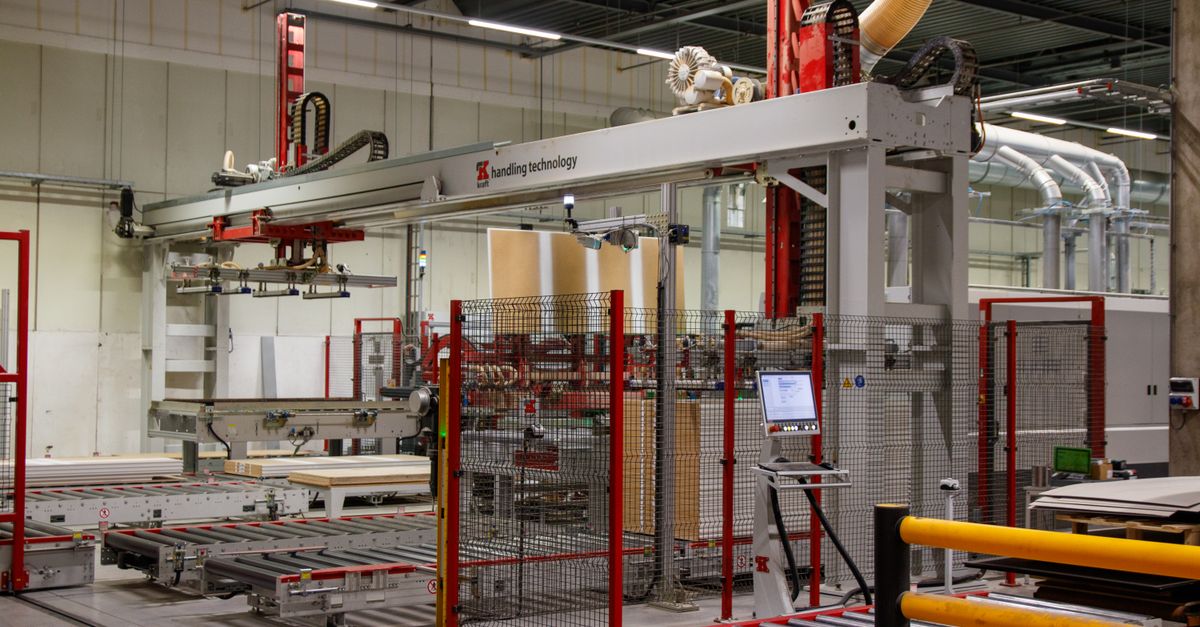
Warehouse robotics can accelerate pick speed and eliminate human error, but if EDI shipping data and labels fail to keep pace, the result is costly mismatches and retailer chargebacks. This guide gives warehouse, IT, and EDI leaders a framework to keep automated picks perfectly synchronized with compliant labeling and ASN (Advance Ship Notice) accuracy.
Warehouse Robotics and EDI: The New Compliance Frontier
Warehouse robotics, including AMRs and conveyor-based systems, have redefined how modern facilities execute high-volume picks for retail, ecommerce, and wholesale orders. With robots handling complex pick tasks, operational speed is no longer limited by manual labor. However, this automation exposes new risks: if your EDI shipping data, UCC128/GS1 labels, and ASNs do not exactly match the physical flow, downstream retail partners can reject shipments or impose chargebacks. Precise synchronization of robotic pick events with digital shipping outputs is now essential.
- Carton and pallet label data must always reflect real items picked by robots
- ASNs (EDI 856) must describe the shipment exactly as built, at the carton hierarchy level
- Invoices and BOLs must mirror the physical packout, not just order intent
Warehouse robotics refers to automated physical systems—robots, AMRs, or conveyors—that execute pick, pack, or staging instructions. EDI shipping is the digital process by which labels, ASNs, invoices, and BOLs are generated, sent, and confirmed in line with retailer requirements. The intersection between the two is where fulfillment execution and digital compliance must stay perfectly in sync.
How EDI Data Flows Interact with Robotic Picking
Every automated pick, pack, and ship workflow depends on accurate, real-time data movement between ERP, WMS, robotics, and EDI modules. When any system falls out of alignment, errors multiply at robotic speeds.
- 01Order is released via ERP or OMS. Purchase orders arrive via EDI 850, then shipping orders are sent to the WMS or robotics platform, often using EDI 940 or API.
- 02Robotic picking is triggered by WMS allocation. SKUs and quantities needed are passed to robots. Robots pick each item and deliver to pack stations, dynamically building cartons or pallets based on rules.
- 03Label printing and scanning validate every step. Robots or packers affix carton and pallet labels (UCC128/GS1) generated from live shipment data. Scanned IDs verify accuracy before staging.
- 04ASN, invoice, and BOL generation is triggered on ship confirmation. When a load is sealed, EDI 856 and 810 are created from the exact data captured by robotics, not just the initial order.
- Closed-loop scanning eliminates manual entry errors for SKUs, labels, and packlists
- API or EDI integrations update inventory, shipping status, and ASN events in real time
- Event-driven control ensures automated actions always reflect retailer compliance rules
Where Robotics, WMS, and EDI Usually Lose Sync (And How to Avoid It)
Many businesses find the main integration pitfalls cluster around master data mismatches, inventory timing lags, and label logic. Each must be addressed to keep robotics and EDI documents congruent.
| Typical failure point | In a robotic warehouse | Octasyn |
|---|---|---|
| Item master mismatches | Robots pick correct bin but wrong SKU. Order and ASN do not match. Compliance risk and disputes rise. | Centralized item master and validation across WMS-lite, robotics, and EDI flows ensure all systems speak the same product language. |
| Inventory sync issues | Robotics update real time but ERP/EDI lag. Double allocations or phantom stock appear. | Real-time EDI/API syncs and controlled reconciliation between robot, WMS, and ERP status kill timing-based mismatches. |
| Label/ASN logic not reflecting picks | Labels or ASNs generated before picks finish, or after repacking events. Retailers receive wrong data. Chargebacks result. | All label and ASN outputs are generated from confirmed pick events and final container structure in Octasyn for end-to-end accuracy. |
| Hard-coded retailer rules | Changes require robotic or WMS reprogramming, slowing onboarding. Outdated rules trigger compliance errors and relabeling. | Trading partner profiles in Octasyn centralize requirements, so rules can be adjusted in software, not code. |
Key Technical Steps for Robotic and EDI Alignment
Implementation success depends on building common data and event standards across automation and digital shipping tools. A practical approach for high-volume operations includes:
- 01Consolidate item master data. Export item lists from ERP, WMS, and robotics. Reconcile SKUs, UPCs, GTINs, pack sizes, and label formats. Confirm every SKU in order or ASN flows exists across all platforms.
- 02Define labeling, cartonization, and ASN rules per retailer. Map rules for how SKUs must be grouped, labeled, and reported in EDI. Feed these into WMS, pack, and robotic logic.
- 03Make barcode scanning and ID confirmation mandatory at robot, conveyor, and dock exit. Each SKU, carton, and pallet is validated against the same WMS-lite records used for label and ASN outputs.
- 04Integrate robotic and shipping events using APIs or message queues. Send 'pick complete', 'carton sealed', and 'load closed' signals from robotics directly into Octasyn for label print and ASN trigger points.
- 05Automate label application and scanning. Use robotic labelers or enforced human scanning to guarantee only validated labels leave staging. Exceptions trigger workflow review.
- 06Drive ASN and invoice creation from final shipping confirmation, not just order data. This locks 856 and 810 figures to what actually ships.
- 07Test edge scenarios under volume conditions. Simulate partials, backorders, and store-level routing in robotics/WMS/EDI integration before ramping to full automation.
Real-World Success Stories: Robotics and EDI Perfected with Octasyn
Octasyn was built from the ground up for EDI-centric automation workflows. Serving as a WMS-lite, digital shipping and labeling hub, and compliance backbone, Octasyn keeps robots, packers, and EDI documents in full lockstep.
Razor USA processes 10,000+ orders daily in peak, relying on Octasyn to correlate robot picks, pack lists, retailer compliance, and shipment execution. The result: more than 200,000 items prepared accurately in one click, saving 500 staff hours a month and guaranteeing 100 percent EDI compliance.
200,000+ items shipped in one clickNakoma leverages Octasyn to handle e-commerce and retail fulfillment across brands such as Rit Dyes and Endust, executing exacting labeling, ASN, and bulk shipping requirements at scale for over 120,000 retail locations.
120,000+ retail locations servedAutomates ASNs, invoices, packlists, and BOLs so labels and documentation never lag behind robot or pack line events.
Generates retailer-compliant UCC128 and GS1 labels based on shipment reality, not static order data.
Keeps ERP, WMS, robotics, and EDI status current, eliminating phantom stock and double allocations.
Centralizes all retailer and 3PL label, ASN, and routing rules, allowing changes in software—not code—so automation keeps up.
- Feed all shipment, pack, and label data into a single execution hub. Octasyn aligns robotic and manual workflows across WMS-lite, ERP, and EDI for end-to-end accuracy.
- Configure customer and retailer compliance in platform logic. Onboard new partners or adjust rules by changing Octasyn profiles, not robotic code.
- Automate event-driven document creation and publish alerts for deadlines. Octasyn prints, transmits, and monitors ASNs, BOLs, and packlists based on warehouse events, not calendar triggers.
- Continuously monitor robotic and dock performance via dashboards. Use real-time data to refine process and maintain compliance as order volumes spike, especially during peak.
Frequently asked questions
Do I need a full WMS to keep robotics aligned with EDI shipping?
Not always. Many businesses use an ERP, a WMS-lite platform, and a dedicated EDI and shipping hub like Octasyn to manage end-to-end compliance, labels, ASNs, and invoices without the overhead of a large-scale WMS.
Which EDI documents should I prioritize for robotics integration?
Focus on EDI 940 and 945 for warehouse shipping, EDI 856 for ASNs, and EDI 810 for invoices. All robotic workflows and shipping integrations should create, validate, or consume these documents in real time.
How can I avoid chargebacks when robots build mixed cartons?
Set up cartonization rules for each retailer and enforce them at the robot and software levels. All labels and ASNs should reflect the physical structure confirmed by robot events, not just intended orders. Validate every label and shipment record prior to loading.
Can Octasyn work with my robotics and 3PL platforms?
Yes. Octasyn supports over 100 integrations and is designed to connect with ERPs, WMS, robotics controllers, 3PLs via EDI, plus major carriers. It keeps all data streams unified for total shipping and compliance control.
If adopting robotics or automation in your EDI-driven warehouse, you need processes and a platform that keep every label, ASN, and invoice in line with automated execution. Octasyn gives your team a proven, scalable control tower for robot-aligned, retailer-compliant shipping.
Talk to a shipping expert







.png)


