


At Octasyn, we see first-hand how small changes on the palletization line reduce chargebacks, lower environmental impact, and make life easier during retailer audits. Many teams approach sustainable palletization as a huge project, but the truth is, most waste and failure points come down to a handful of everyday habits and overlooked choices. This piece explores proven, real-world ways to secure your loads, survive drop tests, and keep audit teams moving.
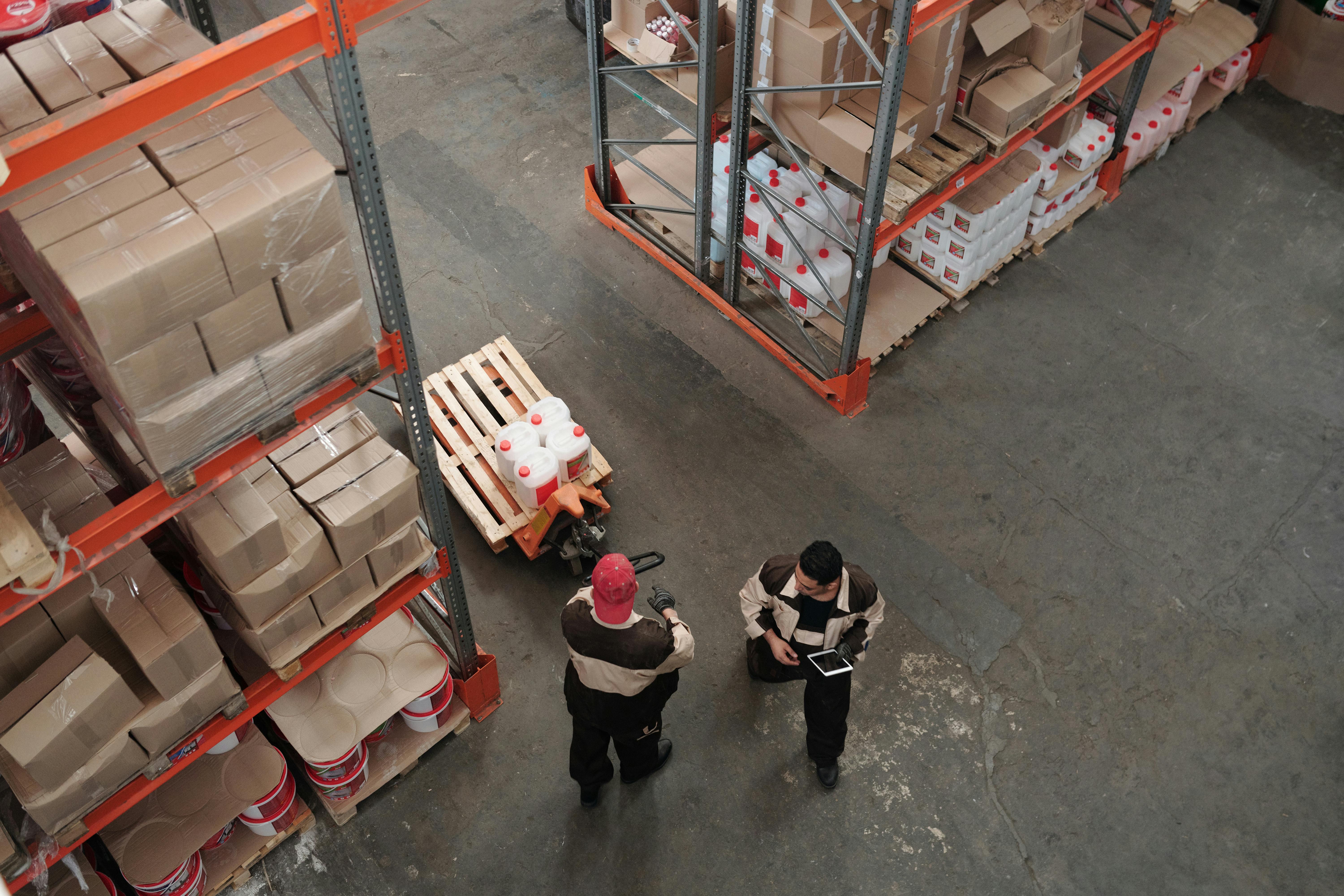
Why Sustainable Palletization Matters Now
Retailers have increased their focus on supply chain sustainability and compliance. With tightening chargeback windows and more frequent surprise audits, optimizing palletization is not just about looking good on checklists. It directly affects cost, carbon output, and your ability to avoid failed drop tests or rejected shipments.
Everyday Choices That Matter in Palletization
We see recurring pain points across the warehouses we work with—from Fortune 500 brands to up-and-coming fast-shipping e-commerce teams. Here are the essentials:
- Right-Sizing Pallets and Loads: Using pallets that fit the product footprint reduces overwrap, cuts waste, and keeps product movement inside standards for drop testing. Oversized pallets almost always invite trouble during audits.
- Switching to Sustainable Dunnage & Fill: Replace plastic pillow packs or excess bubble wrap with recyclable paper, reusable corner boards, or minimal shrink-wrap. This change saves cost and passes retailer checklists on sustainability faster.
- Optimizing Stacking Patterns: Patterns such as brick stack or pinwheel offer more stability for heavier or mixed-size products. Train your team to reassess stacking methods for each SKU mix, not just default to one method.
- Consistent Weight Distribution: Spread the weight evenly across pallets so drop tests and movement do not shift loads. Tipping, crushed boxes, and open seams all stem from ignoring this simple rule.
Proven Tactics That Survive Drop Tests
Drop testing is often the last obstacle before your goods head into a retailer’s network. Our customers have streamlined compliance by focusing on the following:
- Securing the Bottom Row: Use slip sheets when needed—especially with fragile or bagged goods—to prevent shifting on both lift and set-down.
- Applying Correct Wrap Tension: Too tight, and you damage packaging or collapse boxes. Too loose, and the pallet fails tests or gets flagged by QA. Periodically verify settings and retrain team members, especially after high-volume peaks.
- Label Placement: Always keep labels visible and protected. We help clients automate this with EDI-driven label assignment, but even manual checks—like ensuring GS1 or UCC-128 labels face out—reduce scan failures during receiving and audits.
- Scannable, Compliant Labeling: Audit drop test fails often stem from unreadable or damaged labels. Automated printing at packing stations, backed by real-time EDI, ensures retail partners see what they expect on delivery.
Smart Palletization for Retail Audit Success
No warehouse is immune to surprise retail or routing guide audits. Warehouses using WMS Lite and EDI integration systems have an edge, because they track every step: label print time, pack list generation, and carrier assignment. Here is what we suggest for audit-proof palletization:
- Digital Pallet Records: Store photo documentation and time stamps in shipping logs. When a retailer questions a mixed-SKU load or stacking style, you have proof on hand.
- Automated Label Assignment: By assigning carton or pallet labels based on SKU, routing, and customer requirements, we prevent swaps and last-second relabeling that can trigger audit failures.
- Customizable Compliance Workflows: Octasyn lets teams build steps for retailer-specific needs. You can require extra checks, export tailored documentation, or automatically stage orders until verified by QA. This cuts errors before they ship.
- Data-Driven Dock Management: Tracking carrier pick-up times and delivery windows helps get high-volume pallets shipped out in batches, not in the frantic, error-prone "just get it on the truck" mode that leads to mistakes.

Lessons From High-Volume Shippers
Some of the teams we support process thousands of orders a day. Their best practices include:
- Standardized SOPs: Training new and temp staff on work instructions reduces variance in pallet builds and improves survival rates in drop tests.
- Rapid Error Correction: Connected systems flag barcode or pack list issues before loading, stopping errors from getting to the audit stage.
- Batch Verification Before Loading: Scanning each pallet, confirming load structure, and capturing final photos reduces audit headaches, chargebacks, and returns.
Quick Wins That Boost Sustainability and Save Money
Palletization tweaks are often high-impact and low-cost. Examples include reducing the number of touchpoints with automation, avoiding redundant wrap by choosing products with stronger outer shipping cartons, and introducing multi-use pallets for ongoing runs or closed-loop delivery networks. See our related article, Green That Pays Back: How Right-Sizing, Print-on-Demand, and Smart Cartons Cut Both Carbon and Chargebacks, for deeper insights.
How Tech and Process Integration Makes the Difference
Sustainable palletization is not just about materials. It is about process reliability and visibility. By connecting your WMS with order routing, EDI, and real-time labeling, you can quickly respond to peak demand without rushing pallet-building or paperwork. Our clients, like Nakoma and Razor USA, have seen measurable improvements in compliance, fulfillment speed, and audit performance by merging software automation with warehouse best-practices. Learn how improved AI-driven staging and labeling support error-free audits and drop tests.

What to Review in Your Palletization Setup
- Are all staff following a documented and tested SOP for every product type?
- Is your dunnage and wrap approach both efficient and environmentally preferred?
- Are you using WMS or shipping software to streamline and record every compliance step?
- Do you capture photo records of loaded pallets for audit defense?
- Does your label process meet every trading partner’s spec, every time?
Conclusion
The most sustainable and audit-ready pallet processes do not require complete overhauls or costly retooling. Instead, they grow from small, targeted changes in materials, training, and software integration. These changes not only protect your bottom line but help meet growing retailer and regulator demands for sustainability and transparency across the supply chain.
If you are ready to make your warehouse smarter and more compliant while streamlining your sustainability efforts, learn more at Octasyn.








.png)


