

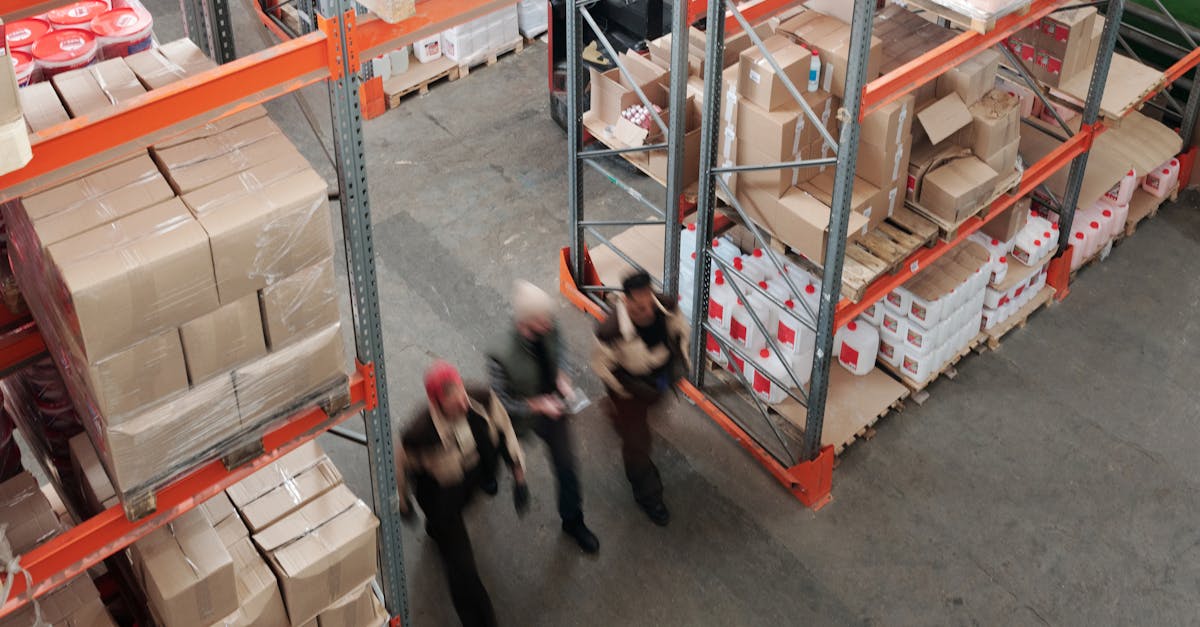
Managing a warehouse that serves multiple brands brings a unique set of challenges. Coordinating packing, labeling, and maintaining EDI compliance across different product lines, each with their own unique requirements and customer expectations, can test even the most seasoned logistics teams. At Octasyn, we’ve worked directly with complex organizations handling high order volumes for multiple brands, and we understand what it takes to get this right. In this blog, we dive deep into actionable best practices, backed by our experience, to help you streamline multi-brand warehouse management with pinpoint accuracy.
Understanding the Complexities of Multi-Brand Operations
When your warehouse acts as the fulfillment hub for diverse brands—each with their own SKUs, packaging standards, order sizes, and compliance demands—you’re balancing a high-wire act between efficiency, accuracy, and customer satisfaction. Common pain points include:
- SKU Proliferation: Each brand may have hundreds of SKUs, packaging variations, and custom handling rules.
- Labeling Compliance: Brands and their retail partners often mandate specialized labels (UCC-128, GS1, etc.) for accurate delivery and tracking.
- EDI Variability: Electronic Data Interchange (EDI) requirements can differ not just by retailer, but also by brand within the same company.
- Resource Allocation: Staff need to be trained to recognize and follow the right process flow for each brand.
1. Establish Rigorous Order Management and Allocation Rules
The foundation of efficient multi-brand fulfillment lies in smart order management. This means leveraging automation wherever possible to bring discipline, transparency, and error reduction to the process.
- Intelligent Order Arrangement: Automatically group and prioritize orders by ship date, brand, or customer segment. Octasyn’s platform enables this, ensuring timely processing even during seasonal peaks.
- Dedicated Brand Zones: Physically separate inventory and packing stations by brand to avoid SKU mix-ups.
- Automated Picking: Generate pick lists by brand and shipping priority. This avoids confusion and streamlines workflow for warehouse staff.
2. Precision in Packing: Reducing Errors and Boosting Efficiency
The packing stage is where details matter. With multiple brands in play, accurate packing processes drive both customer satisfaction and regulatory compliance.
- Custom Packing Lists: Generate brand-specific packing lists that clearly break down SKUs, quantities, and special instructions. Octasyn’s tools support this level of customization out-of-the-box.
- Real-Time Error Checks: Implement barcode scanning or digital checklists to verify item SKUs as they are packed. This minimizes manual mistakes.
- Staging Orders Until Complete: Stage partially packed orders within the system until all components are ready to ship, reducing partial shipments and customer frustration.

3. Mastering Labeling: Cartons, Pallets, and Compliance
Label accuracy is a make-or-break factor for both compliance and efficient deliveries. With varying label requirements—UCC-128, GS1, FedEx, UPS—across brands and trading partners, automation and customization are critical.
- Automated Label Generation: Use configurable labeling workflows so every carton and pallet receives the correct, compliant label based on brand and customer requirements.
- Predefined Label Templates: Maintain a library of label templates mapped to each brand’s compliance needs. Octasyn enables this with advanced labeling support.
- Error Proofing: Implement real-time validation to catch mislabeling before shipment, whether through scanning checks or system prompts.
- Bulk Label Printing: Print labels for an entire pick or pack operation with one command. This saves warehouse staff significant time during high-volume periods.
4. Seamless EDI Compliance Across Brands
Every retailer, wholesaler, or channel partner may require different EDI document flows and data content—from purchase order acknowledgments and advance ship notices (ASNs) to invoices and routing guides. Ensuring EDI compliance at scale, especially for multi-brand warehouses, requires three core strategies:
- Bidirectional EDI Integration: Automate both outbound (order, ASN, invoice) and inbound (routing, ship date, status) EDI processes. Octasyn is purpose-built to embed EDI compliance throughout every shipment.
- Brand-Specific Configuration: Tailor EDI document content to the needs of each brand and their customers, managing required fields, unique date formats, or special codes per trading partner.
- Real-Time EDI Monitoring: Track EDI status for every order and shipment so nothing slips through the cracks. Become proactive about exceptions or failed transmissions.
5. Integration with Carriers and Third-Party Logistics Providers (3PLs)
Multi-brand fulfillment often means working with a range of shipping carriers and 3PLs, each with their own routing instructions and documentation standards. Integrating these providers into your workflow enables you to stay nimble as business grows.
- Direct Carrier Integrations: Automatically sync with FedEx, UPS, and freight providers to pull real-time rates, generate shipping labels, and update tracking information.
- 3PL EDI Links: Send and receive EDI data to and from your 3PL partners ensuring everyone is working from the latest order, SKU, and routing data.
- Centralized Shipping Dashboard: Manage and monitor all shipping activity from a single interface, streamlining tracking and exception management.

6. Effective Resource Allocation and Team Training
Your warehouse team is the engine driving operations, and their ability to flex between brands and processes determines your accuracy rate and throughput speed.
- Role-Based Training: Train employees by brand and fulfillment process. Document SOPs for packing, labeling, and EDI steps unique to each brand.
- Task Assignment Automation: Use technology to assign pick, pack, and staging tasks based on user skill profiles or brand expertise.
- Performance Monitoring: Track user productivity by brand and process to identify top performers—and any potential bottlenecks before they become issues.
7. Leveraging Real-Time Data and Analytics
Multi-brand warehouse optimization is an ongoing process. Access to real-time metrics allows you to spot inefficiency, reduce costs, and rapidly adapt to changing partner demands.
- Live Dashboard Views: Monitor all open orders, exceptions, pending EDI documents, and shipment stages as they unfold.
- Order Accuracy: Analyze packing, labeling, and shipment data to spot errors by brand or operator and remedy them quickly.
- Continuous Improvement: Use reports to inform schedule changes, resource allocation, and process refinements for ongoing efficiency gains.
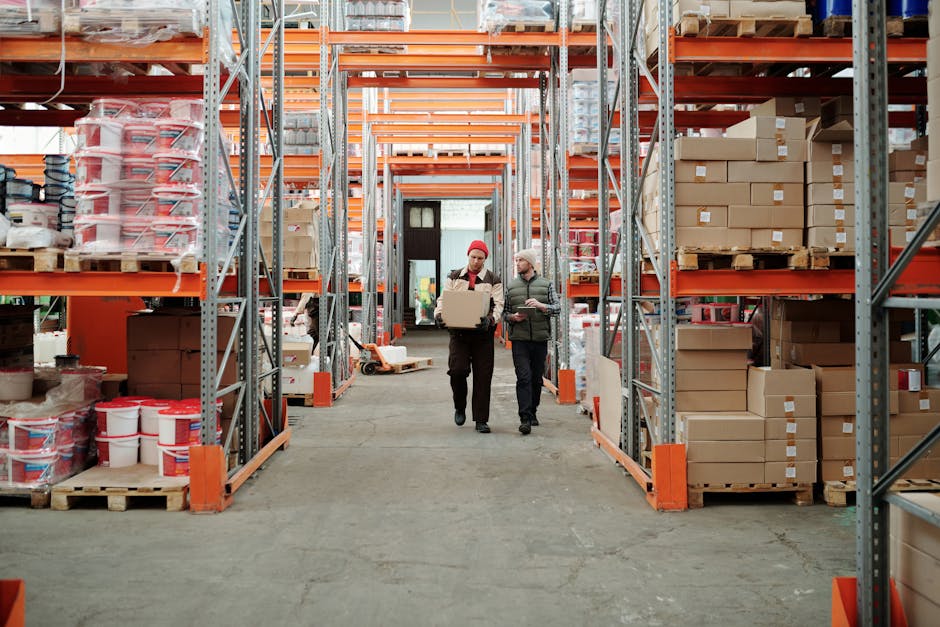
In Practice: Lessons from High-Volume Multi-Brand Operators
Organizations like Nakoma Products (managing Endust, Preval, and Rit Dyes) and Razor USA have trusted Octasyn to simplify their multi-brand warehousing. What can we learn from their success?
- Customization is Key: Predefined, rigid processes simply don’t work for warehouses managing several brands. Platforms and workflows must adapt to each brand’s needs, not the other way around.
- Automation Drives Scale: Automated packing lists, label generation, and EDI transmission are not just convenient; they're critical for scaling up without losing accuracy.
- Transparency and Compliance: Real-time status visibility ensures your team and customers are always in sync, and brand-specific compliance rules reduce costly errors and chargebacks.
Actionable Takeaways for Your Warehouse Team
- Break down and clearly document your process flow for each brand you support.
- Evaluate your current technology stack—does it give you brand-specific customization, or are you force-fitting one-size-fits-all workflows?
- Automate wherever possible, especially with picking, packing, labeling, and EDI transmission.
- Commit to ongoing training and SOP updates as fulfillment needs and trading partner requirements evolve.
- Pursue real-time integration with all partners—carriers, 3PLs, and retail partners—to enable agility as your operation grows.
Ready to Simplify Your Multi-Brand Warehouse?
As the multi-brand logistics landscape grows more complex, success will increasingly depend on your ability to customize, automate, and remain nimble without sacrificing compliance or customer satisfaction. At Octasyn, we’ve built our platform specifically to solve these real-world challenges for operations just like yours—helping you deliver faster, smarter, and more accurately every time.
If you’re ready to see how advanced automation, robust EDI compliance, and tailored workflows can transform your multi-brand warehousing, connect with us to schedule a personalized consultation.








.png)


