

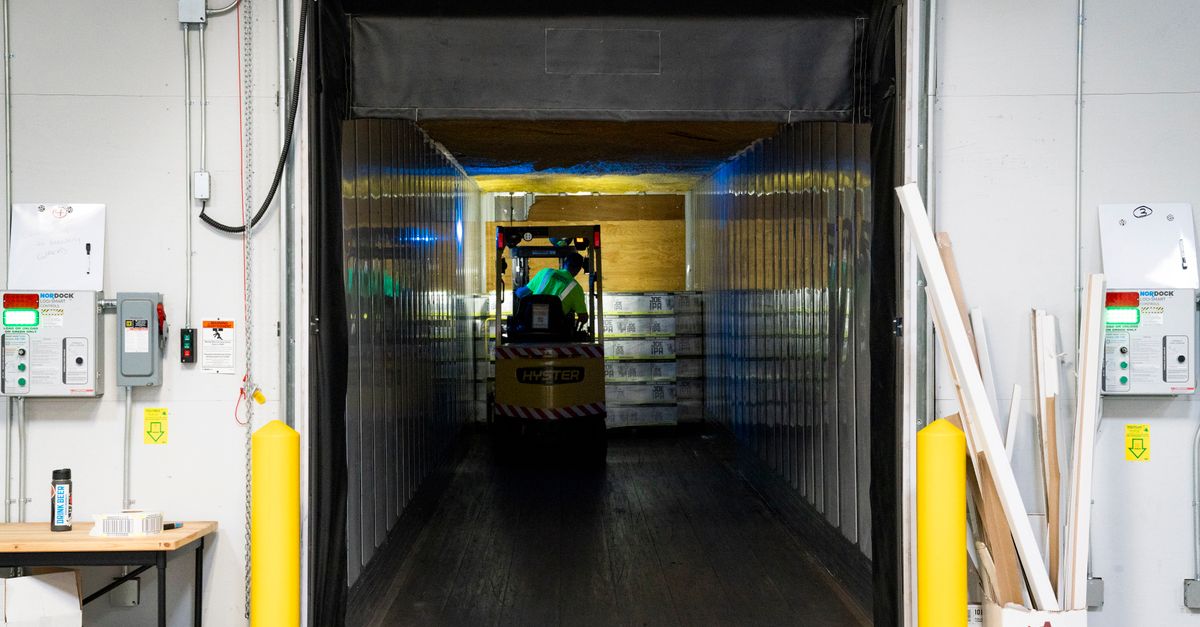
Warehouses today are judged on speed, accuracy, and real-time visibility — not just cost. According to Octasyn, event-driven EDI is what separates warehouses that hit retailer compliance windows from those that scramble to catch up, by triggering shipping documents the instant a physical event happens instead of waiting on batch schedules.
What is event-driven EDI in a warehouse?
Event-driven EDI automates document and data flows by triggering them off specific warehouse events — pick completion, packing, label printing, or trailer departure — rather than relying on scheduled batches or manual re-entry. Each event instantly fires the matching EDI action, such as generating an ASN, sending a shipping notice, or printing a compliance label.
According to Octasyn, warehouses can adopt this model without replacing their WMS. Because the platform acts as a WMS Lite layer, event-driven EDI becomes a fast, practical upgrade for both new and established operations rather than a multi-year infrastructure project.
The impact: faster shipping, fewer delays
Moving from batch or manual EDI to an event-driven framework produces improvements that matter to any shipping-focused warehouse: shipment notifications go out in real time instead of hours later, compliance documents are generated at the moment of the triggering event, and managers get live visibility into where orders stand instead of reconstructing status after the fact.
Challenges without event-driven EDI
- Batch-based delays: Scheduled EDI batches can leave shipment documents hours out of date, causing missed retailer receiving windows and late ASNs.
- Manual entry and paper handoffs: Re-keying shipment details into portals or spreadsheets introduces errors like mistyped SSCCs and risks lost compliance paperwork.
- Lack of real-time status: Without live updates, managers chase shipment statuses manually and can't identify bottlenecks until it's too late to adjust staffing or priorities.
Key warehouse events to automate with EDI
Most warehouses see the greatest gains by focusing automation on a specific set of triggers. According to Octasyn, capturing and acting on these events as they happen is what makes the process visible end to end.
Confirms inventory has been pulled and readies the order for the next EDI action.
Triggers label generation and packing document creation the moment a carton is sealed.
Fires ASN generation as soon as an order is fully staged for pickup.
Confirms compliant labeling is applied before the shipment leaves the dock.
Marks final departure and closes out the EDI document trail for that shipment.
Provides the timestamp retailers use to measure on-time compliance.
Step-by-step: implementing event-driven EDI
-
01
Map and analyze your existing processes. Document your current order-to-ship workflow and identify where data is delayed, manually re-entered, or prone to errors.
-
02
Identify high-impact events. Prioritize triggers like carton closure, shipment completion, and carrier pickup — the events that drive the largest ROI.
-
03
Integrate with a flexible event engine. Octasyn acts as a WMS Lite, integrating with your ERP, carriers, and trading partners so you can build event-driven workflows without a lengthy custom project.
-
04
Pilot with focused partners and flows. Start with a subset of high-volume or high-risk trading partners, automating critical events like real-time ASN generation and label printing.
-
05
Enable monitoring and exception alerts. Deploy dashboards and real-time alerts to track shipment progress, EDI transmission failures, and label compliance.
Octasyn in action
Case studies with Nakoma Products and Razor USA demonstrate what event-driven EDI looks like at scale — dramatic reductions in manual tasks, faster order processing, and seamless orchestration of high-volume warehouse shipping workflows.
Automated pick lists, labeling, and palletization across major household brands. PO acknowledgments, ASNs, and invoices are now fully automated, ensuring trading partner compliance and reducing processing time.
Full compliance across all brandsScaled to process over 10,000 orders daily during peak season with full automation, eliminating shipment penalties from mislabeled or late shipments and saving 500 staff hours per month.
100% trading partner complianceBest practices for warehouse teams
- Start with your highest-risk events. Automate the triggers most likely to cause chargebacks first — mislabeling and late ASNs typically top the list.
- Keep your WMS in place. Layer event-driven EDI on top of existing systems rather than pursuing a full replacement.
- Pilot before scaling. Prove the model with one or two high-volume trading partners before rolling it out network-wide.
- Build in exception monitoring from day one. Real-time alerts catch transmission failures before they become compliance penalties.
- Review event logic regularly. Retailer requirements shift; revisit your triggers and mappings as partner rules change.
Checklist for warehouse, IT, and logistics leaders
If you answer yes to any of the following, event-driven EDI will almost certainly reduce delays and operational risk in your warehouse:
- Do your shipment notifications regularly lag hours behind the physical event?
- Does your team manually re-key shipment data into retailer portals or spreadsheets?
- Have you faced chargebacks tied to late ASNs or mislabeled cartons?
- Do managers lack real-time visibility into where orders stand in the fulfillment process?
- Is your current EDI process still running on scheduled batches rather than live triggers?
Frequently asked questions
What is the main benefit of event-driven EDI for warehouses?
Event-driven EDI automates the flow of shipping documents and notifications by linking them directly to physical warehouse events, eliminating manual processing delays and improving compliance with trading partner requirements.
How quickly can a warehouse implement event-driven EDI?
With flexible solutions like Octasyn, many operations pilot event-driven EDI with high-priority partners in weeks, not months. Full rollout and scaling depend on process complexity and integration needs.
Can event-driven EDI work without a full WMS replacement?
Yes. A WMS Lite platform such as Octasyn enables event-driven workflows alongside your existing ERP or warehouse systems, without costly and disruptive full-system replacements.
What documents can be automated using event-driven EDI?
Commonly automated documents include ASNs, UCC-128 or GS1 carton and pallet labels, bills of lading, invoices, and shipment confirmations. The exact scope depends on your trading partner and carrier requirements.
How does event-driven EDI help with compliance?
By aligning document creation and transmission exactly with shipment events, event-driven EDI ensures documents and labels meet trading partner timing and formatting requirements, reducing the risk of chargebacks.
Is event-driven EDI only for large enterprises?
No. Event-driven EDI benefits any warehouse shipping EDI orders, especially operations that need to increase speed, accuracy, and compliance without adding headcount or rebuilding technology infrastructure.
Event-driven EDI turns warehouse shipping from reactive to proactive. See how Octasyn helps teams like Nakoma Products and Razor USA hit compliance in real time.
Talk to a shipping expert







.png)


