

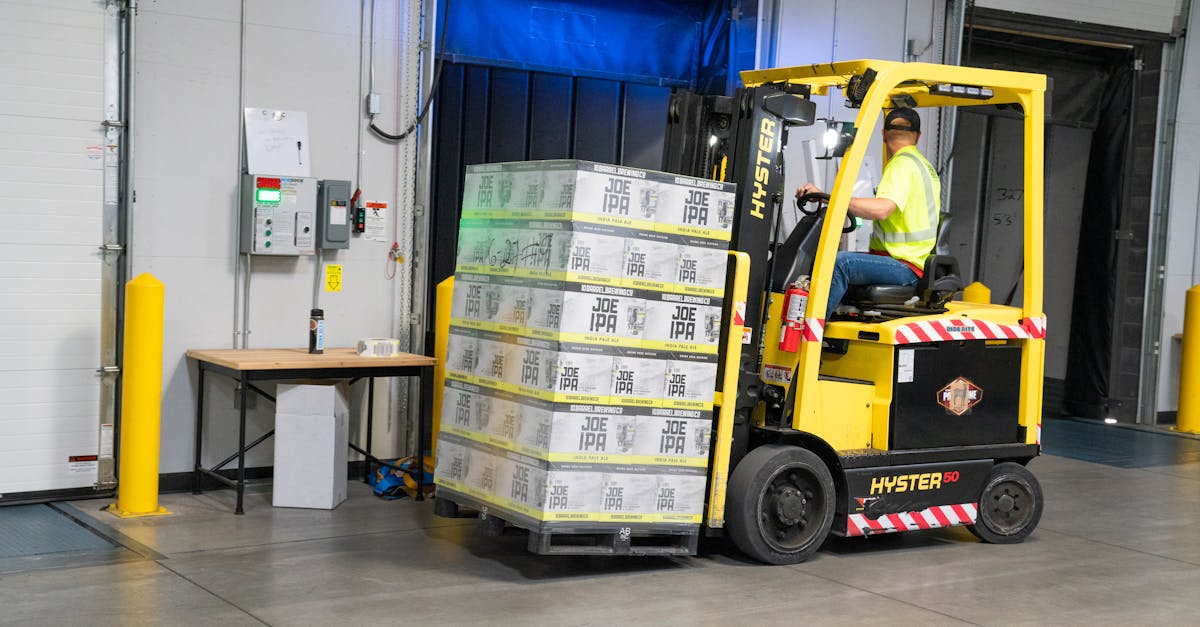
Warehouse shipping almost always faces a trial by fire during seasonal surges. Whether it’s Black Friday madness, back-to-school rush, or year-end demand spikes, your shipping process must be ready to scale—seamlessly and reliably. Over the years working with companies at Octasyn, we’ve seen just how transformative it can be for a warehouse to move from chaos and firefighting to smooth, data-driven order fulfillment. In this guide, we’ll break down what it takes to build a scalable warehouse shipping process tailored for those seasonal order surges, using firsthand lessons and real strategies rooted in our field experience.

Understanding the Seasonal Surge Challenge
Seasonal order surges aren’t just about higher volume; they raise the stakes across every link in your fulfillment chain. You need to manage a flood of incoming orders, coordinate staff, cope with carrier and routing changes, and keep up with customer and EDI partner requirements—all while leaving no room for errors or compliance misses. The ripple effect of any bottleneck becomes much bigger during peak season, and inefficient processes or manual workarounds can buckle under pressure.
Core Building Blocks for Scalability
We’ve broken down the must-have capabilities for building a shipping operation that can flex up (and back down) efficiently:
- Automated Fulfillment Processes – Minimize manual intervention from pick-list creation to label printing and shipping notices. Automation lets your team stay ahead instead of playing catch-up.
- Seamless EDI Compliance – If you’re dealing with retailers or B2B partners, compliance isn’t just a checkbox, but core to every shipment. Ensuring your software can handle EDI ASNs, packlists, invoices, and label requirements automatically is non-negotiable.
- Easy Scalability for Users and Workflows – Your solution should support dozens of concurrent users, dynamic workflow assignments, and be ready to add or redeploy resources as needed.
- Real-Time Data Visibility – Keeping everyone on the same page with live updates, error alerts, and operational dashboards helps you nip bottlenecks before they grow.
- High Flexibility and Customization – A one-size-fits-all approach rarely meets the varying needs across peak and normal periods. Custom labels, workflows, and carrier options should be flexible—not locked down.
Step-By-Step: Scaling Up Your Shipping Process
1. Organize Orders Using Automated Scheduling
A scalable process starts with intelligent order management. Orders should be automatically organized by priority (such as by ship date), routed to the correct staging area, and flagged for special handling when needed. With an integrated system like Octasyn, each order is staged and tracked until shipping—no more missed or late orders hiding in a spreadsheet or email thread.

2. Automate Pick, Pack, and Ship Workflows
Manual lists and ad-hoc packing are mismatched for surges. By automating the printing of pick tickets, packing lists, and compliant labels, your staff can focus on moving merchandise, not paperwork. Auto-generated bills of lading and pallet labels further streamline bulk shipments, cutting hours from your prep time and ensuring documentation accuracy.
- Single-click printing for pick lists, packlists, and labels speeds up accuracy across shifts.
- Advanced compliance labeling—such as UCC-128 or GS1—guarantees that partners and retailers receive the right barcodes and shipment data every time.
3. Optimize Dock Scheduling & Resource Allocation
Dock chaos is a common source of bottlenecks during peaks. A dedicated dock manager view that tracks carrier arrivals, real-time load status, and resource usage becomes invaluable. This transparency lets you shift resources quickly and gives you a heads-up on issues before they become expensive delays.

4. Ensure Bidirectional EDI (Electronic Data Interchange) Integration
Peak periods put your trading partner relationships under the spotlight. Bidirectional EDI integration means shipment acknowledgments, ASNs, and invoices are automatically sent, while your system can import routing instructions or schedule changes from customers and 3PLs with zero manual effort. This keeps your compliance high and eliminates costly chargebacks or rejected shipments.
- Seamless EDI flows prevent shipping mistakes and boost on-time and in-full metrics for your clients.
- Carrier routing updates and confirmations flow into your shipping plan automatically—no more last-minute calls or emails.
5. Create Tailored Workflows for Each Brand or Channel
If you’re like many of our customers (think Nakoma Products managing multiple consumer brands or Razor USA handling retail and drop-ship), one workflow for everything just won’t cut it. Customizable fulfillment paths, brand-specific label rules, and packaging guidelines allow every line of business to scale the way it needs—reducing training time and eliminating errors as volume picks up.

6. Leverage Real-Time Alerts, Analytics, and Support
When every order is critical, real-time exception alerts and performance dashboards give your managers superpowers. Know instantly if a shipping delay develops, receive EDI error notifications, and track labor or carrier performance in detail. Proactive alerting helps keep customer satisfaction high and supports decision-making on the fly.
- Schedule daily or hourly updates to your team, ensuring alignment and accountability.
- Leverage reporting to detect trends—do certain carriers struggle each peak, or does one dock get overloaded every Monday?
What Makes Tech “Scalable” at Octasyn?
Drawing from our experience supporting clients through Black Friday, product launches, and high-stakes retailer shipments, it’s clear that scalability isn’t just about server capacity or faster label printers. It’s about platform flexibility and people-centric design:
- Automated workflows that are easily adapted to new requirements or exceptions without waiting for IT.
- User-managed customization: Our clients love that they can design their own rules for label formats, brand standards, and integration touchpoints—without coding or outside consultants.
- Integration-first approach: You need a system that plays nicely with all major ERP suites, shipping carriers, and retail EDI standards out of the box, so you’re never rebuilding your process before each holiday rush.
- Reliability at scale: 99.99% uptime means no surprises, even when you’re shipping 10,000+ orders a day.
Lessons Learned from the Holiday Rush
Our partnerships with companies like Nakoma Products (multi-brand household goods) and Razor USA (leading scooter company) have shown the following best practices:
- Lessen reliance on manual checklists—if a task can be automated or guided by software, do it.
- Delegate roles and empower teams—with clear system users, permissions, and shift coverage, you avoid bottlenecks.
- Invest before the rush—training and dry-runs with new tools or workflows are invaluable during quiet months.
- Keep communication open—real-time chat and integrated support keep everyone aligned when the volume peaks.

Common Mistakes (And How to Avoid Them)
- Waiting too long to upgrade or automate. If you’re still hand-entering shipments or haven’t mapped out high-volume season processes, you’re risking fire drills.
- Relying on a single fulfillment method. A flexible shipping system enables you to pivot between direct shipping, drop-ship, and 3PL handoffs as the situation changes.
- Ignoring label compliance until crunch time. Rejected shipments due to missing or misformatted labels are expensive and avoidable with automated, standards-based label printing.
- Underestimating training needs. Even the best tech can falter if your team isn’t confident using it. Schedule hands-on sessions and create quick-start guides for seasonal workers.
Checklist: Is Your Warehouse Shipping Process Scalable?
- Are all incoming orders automatically prioritized and staged?
- Does your system handle large spikes in order/users without performance hits?
- Can you create, print, and reprint shipment, carton, and pallet labels instantly, for any configuration?
- Is your team alerted in real-time to errors, exceptions, or EDI issues?
- Can all required shipping documents (ASN, BOL, pack list, invoice) be generated and transmitted by your system with a single action?
- Do you have visibility over dock usage, carrier arrivals/departures, and order status in one place?
- Are modifications for new retailers, carriers, or seasonal requirements self-serve (or do you scramble for help)?
Final Thoughts: Building for Growth, Not Just Survival
Seasonal order surges push your shipping operation to its limits, but with the right strategies and technology foundation, they can become engines for growth instead of risk. A scalable shipping process isn’t just about speed—it’s about accuracy, compliance, flexibility, and resilience.
At Octasyn, we’re proud to help businesses like yours streamline, automate, and confidently scale warehouse shipping, so you can focus on what matters most: delivering on your promises, no matter how busy things get.
Interested in learning how you can build a more scalable, resilient shipping process for seasonal surges? Discover Octasyn’s customizable logistics platform and see how we can empower your business for the next big season—and every season after.








.png)


